向余望禁区推射擦梁而出
The rain hammered against the windshield, a relentless percussion that threatened to drown out the engine’s strained groan. Visibility was down to a hazy grey, the peaks of the Carpathian Mountains looming indistinctly through the deluge. My boss, Mr. Volkov, was a study in controlled frustration, his jaw tight, fingers drumming a rapid, anxious rhythm on the dashboard. We’d been stuck for nearly six hours, a small, metallic island stranded in a sea of mud and rising anxiety.
“Damn it,” he finally spat, the word hanging in the damp air, thick with the scent of rain and something vaguely metallic – likely the increasingly stressed oil in my engine. “This is unacceptable. We were supposed to be back in Bucharest by midday.”
I didn't argue. Arguing was pointless. Mr. Volkov wasn’t a man given to pleasantries, particularly when his meticulously planned schedule was dissolving into the muddy chaos of the Romanian mountains. He was a man who valued efficiency, precision, and above all, control. And this – this was a complete and utter loss of control.
The reason for our predicament was brutally simple: my tires, fitted with the aggressive off-road treads recommended for the ‘strategic assessment’ we were conducting – a vague, unsettling phrase delivered by Volkov’s shadowy superiors – had sunk deep into the saturated earth. There was no cell signal, no hope of immediate rescue. We were, quite simply, stuck.
He’d paced the length of the vehicle three times, issuing terse instructions to the local mechanic, a taciturn man named Grigori, who seemed to be actively contributing to the problem by repeatedly pushing mud into the already compromised tires. Grigori’s attempts at a tire change were a chaotic ballet of frustration, punctuated by muttered curses in Romanian that I couldn't understand but instinctively sensed were directed at the mountain, the rain, and, possibly, me.
The night deepened, the rain intensifying to a near-constant sheet. The temperature plummeted, and the small car, a battered Renault Duster, offered little protection against the elements. Volkov, despite his usual composure, was visibly agitated. He kept checking his watch, his gaze sweeping across the desolate landscape, a landscape that seemed to mock our ambition, our purpose, and ultimately, our predicament.
Suddenly, Grigori shouted something, a string of rapid Romanian syllables that cut through the drumming rain. Volkov responded with a sharp, clipped command. Within seconds, Grigori was frantically gesturing towards the field.
“What is it?” I asked, instinctively shielding my eyes from the driving rain.
“He says,” Volkov translated, his voice strained, “there’s a… a movement. Something moving in the distance.”
I followed his gaze, squinting through the rain. At first, I saw nothing but the blurred grey of the landscape. Then, a flicker of movement caught my eye. A dark figure, silhouetted against the rain-streaked mountains, was running towards us. It was fast, purposeful, and undeniably human.
As the figure drew closer, we could see that it was a young man, clad in a worn, dark jacket and carrying a battered backpack. He looked exhausted, soaked to the bone, but his eyes burned with a fierce intensity.
“Who is this?” Volkov demanded, his voice a low growl.
“I don’t know,” I replied, cautiously, “but he looks like he’s trying to help.”
The young man, introducing himself as Marius, explained that he was a local shepherd, familiar with the terrain and the unpredictable weather. He’d been tracking a lost calf – a rare and valuable breed – when he’d noticed our car and, realizing our predicament, had set off to find help.
Marius proved to be a surprisingly effective rescuer. He quickly assessed the situation, recognizing the futility of trying to drive the vehicle out of the mud. He then set about devising a plan. Using his knowledge of the terrain, he located a nearby stream and, with the help of Grigori, began the arduous task of digging a channel to divert the water away from the muddy patch, attempting to create a path for us to escape.

Meanwhile, Volkov, initially skeptical of Marius's abilities, began to observe him with a growing measure of grudging respect. The shepherd's movements were efficient, instinctive, a testament to years spent navigating the harsh realities of the mountains.
As the hours passed, a strange camaraderie developed between the four of us – the stressed, demanding boss, the pragmatic mechanic, the apprehensive driver, and the resilient shepherd. We worked together, a discordant team bound by a shared predicament and a growing sense of dependence.
Suddenly, Marius shouted, pointing excitedly towards the field. “There! See?”
I followed his gaze and saw it – a flash of white, a blur of movement. Marius’s calf, miraculously, was running towards us, guided by its instincts and, perhaps, by a primal understanding of our plight.
As the calf approached, Volkov noticed something extraordinary. Marius, with a breathtaking burst of speed and precision, launched himself into action. He sprinted across the field, dodging the calf, and, with a single, powerful kick, propelled a large, ungulate tire directly over the edge of the mud, clearing a path. It wasn't a graceful maneuver, but it was undeniably effective.
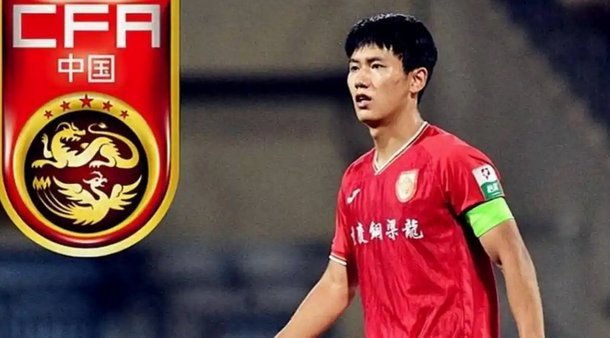
The moment of the kick was punctuated by a distinct *thwack*, followed by the unmistakable sound of rubber crunching on mud. The car lurched forward, finally free from the sucking grip of the mire.
Volkov let out a guttural cry of relief, a sound that seemed to release weeks of pent-up tension. “Finally!” he exclaimed, wiping his forehead with a trembling hand. “Finally, some progress!”
As we slowly pulled away from the scene, I turned to Marius, a genuine appreciation in my eyes. “That kick was incredible,” I said. “Pure instinct.”
Marius shrugged modestly, a faint smile playing on his lips. “Sometimes,” he said, his voice hoarse, “you just have to react. You have to be prepared.”
The rain had eased to a drizzle, and the mountains, now bathed in the soft light of dawn, seemed to stand in silent contemplation. We were still miles from Bucharest, our schedule in tatters, but something had shifted. Volkov, for the first time, seemed genuinely appreciative of Marius’s help, even going so far as to offer him a substantial sum of money.
As we continued our journey, I couldn't help but reflect on the day's events. It had been a chaotic, frustrating, and ultimately, profoundly illuminating experience. Volkov’s rigid control, his obsession with efficiency, had been ultimately undermined by the simple, instinctive intelligence of a young shepherd. The muddy tires, the signal lost in the mountains, the lost calf – it had all, in the end, led us to a deeper understanding of ourselves, and of the world around us. The final image remained etched in my mind: the raw power of Marius’s kick, a testament to the resilience of the human spirit, and a poignant reminder that sometimes, the greatest solutions come from the most unexpected places.
相关文章
葡体引援布拉加核心,开启卖人回笼
葡萄牙体育俱乐部近期宣布以3000万欧元的价格签下了布拉加的核心球员,这一转会不仅为球队注入了新的活力,也为他们今夏的市场策略铺平了道路。在签下新援的同时,葡体也宣布将开启“卖人模式”,通过出售部分主...
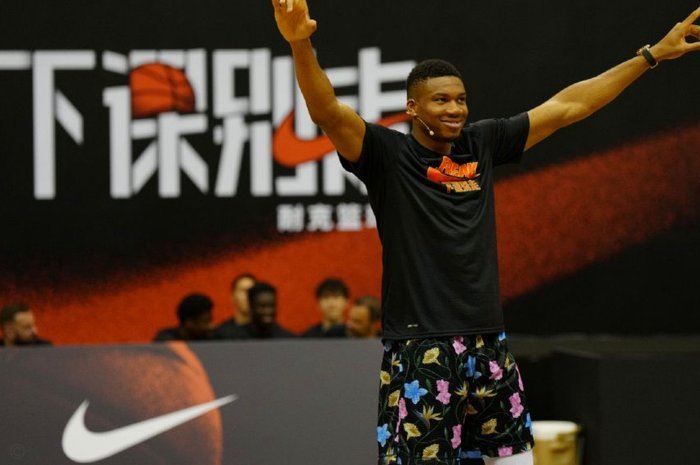
莱万确认赛季后离队,告别巴萨四年红蓝生涯
## 结束四年红蓝生涯!莱万自宣:将在本赛季结束后离开巴萨 四年光阴弹指一挥,波兰巨星莱万多夫斯基的巴塞罗那红蓝生涯即将画上句号。这位曾经力挽狂澜、带领球队屡创佳绩的射手,如今已明确表达了离开的意...
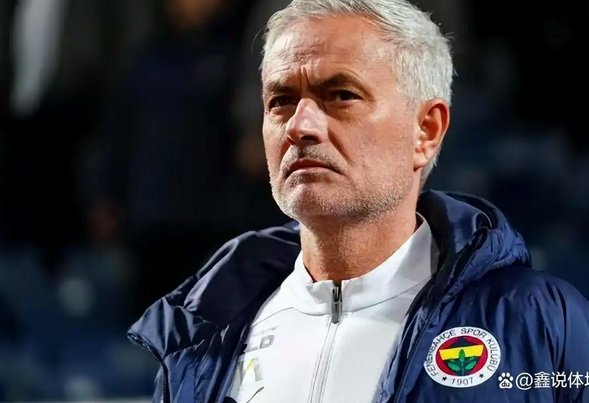
阿尔特塔:角球战术随对手调整 今晚先享胜利
今夜,对于阿森纳而言,不仅仅是一场欧冠生死之战,更是阿尔特塔帅位的一次终极考验。作为球队的主帅,阿尔特塔在战术上的变化和应对策略成为了外界关注的焦点之一。而在即将到来的关键时刻,阿尔特塔再次展示了他灵...
佩德罗世界杯失意 巴萨邀约助其重回巅峰
**世体:佩德罗失望无缘世界杯,他知道去巴萨自己能重返顶尖** 若昂-佩德罗的世界杯落选名单无疑让这位24岁的巴西前锋感到失望。在家人和朋友的陪伴下共同观看了直播后,他不仅对自己的未来产生了深深的疑...
彭南特:瓜迪奥拉绝对想来利物浦执教,他向往热烈赛场氛围
从足球的历史长河中回顾杰梅因·彭南特(Jermaine Pennant)的职业生涯,人们看到的不仅仅是一个边锋的传记,更是一部关于天赋、期待、失落与回归的,充满宿命色彩的个人史诗。而当我们抛开时间维度...

国际米兰追逐日本新星铃木彩艳
**国际米兰瞄准日本新星铃木彩艳,转会市场掀起新一轮争夺战** 近日,日本知名体育媒体《每日体育》和《读卖新闻》相继报道,国际米兰已对日本国脚铃木彩艳(Satoshi Suzuki)展开实质性接触,...